
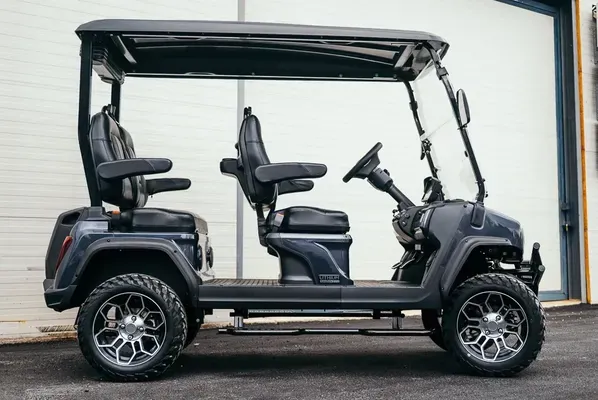
Electric golf carts already have superior power and performance compared to gasoline-powered carts. However, choosing a lithium-ion battery to power a golf cart is an even better decision. This type of battery has become a popular choice for golf carts due to its advantages in terms of performance, durability, and efficiency.
In this article, we will explore how the power and performance of lithium-ion batteries enhance the playing experience by offering a more efficient and environmentally friendly alternative to traditional lead-acid batteries. Find out why this technology is revolutionizing the golf industry.
Lithium-ion batteries are rechargeable devices that use lithium compounds to store energy. In golf carts, these batteries function similarly to those in electric vehicles, providing a consistent and reliable power source.
Unlike lead-acid batteries, lithium batteries are lighter, have a higher energy density, and offer superior performance. This allows golf carts with lithium-ion batteries to have a longer range and greater efficiency throughout the golf game.

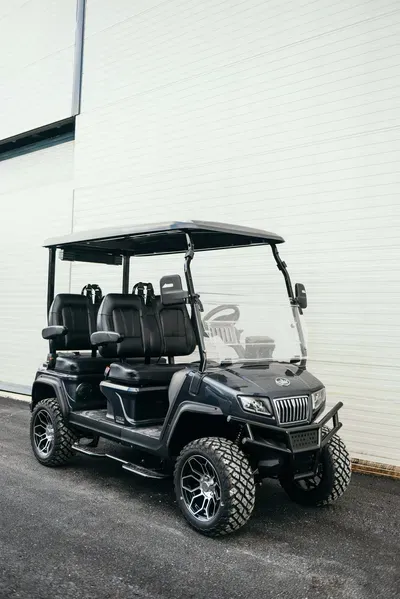
Lithium batteries have important characteristics that position them as superior to conventional lead-acid batteries.
A lithium battery works by moving lithium ions between two electrodes: the anode (negative) and the cathode (positive), through an electrolyte.
During charging, ions move from the cathode to the anode, storing energy.
During discharge, ions move from the anode to the cathode, releasing energy to power the device.
Lithium batteries are efficient and have a high energy density, allowing more energy to be stored in a smaller size. This charging and discharging process is repeated many times over the life of the battery.
Luxury Electric GM specializes in electric golf carts: from the vehicles themselves to their maintenance. Discover all our services so you can enjoy your game on the golf course.
Yes, there is a difference. A lithium battery refers to a primary (non-rechargeable) battery that uses lithium metal as an anode. In contrast, a lithium-ion battery is a rechargeable battery that uses lithium ions to store and release energy. Lithium-ion batteries are more commonly used in consumer electronics, including electric vehicles and golf carts, due to their ability to be recharged and their superior energy efficiency.
The biggest disadvantage of lithium-ion batteries is their sensitivity to extreme temperatures. High heat can cause the battery to overheat and degrade more quickly, while extremely cold conditions can reduce their performance and efficiency. Additionally, if not properly managed, they can also pose a risk of overheating or catching fire, which is why many devices have built-in safety features.
Lithium-ion batteries are not outright banned, but they are restricted in certain situations due to safety concerns. For example, some countries and airlines impose regulations on the transportation of lithium-ion batteries, particularly when they are not installed in devices or are in large quantities, due to the risk of overheating, fire, or explosion. These restrictions are typically enforced to ensure safety during shipping or air travel.
Yes, lithium-ion batteries are allowed on planes, but they are subject to specific regulations. Generally, they must be carried in carry-on luggage rather than checked baggage, and the capacity of the battery (measured in watt-hours) determines how it can be transported. Larger batteries, such as those used in electric vehicles or golf carts, may require special handling or approval from airlines. Always check with your airline for their specific guidelines before traveling with lithium-ion batteries.